
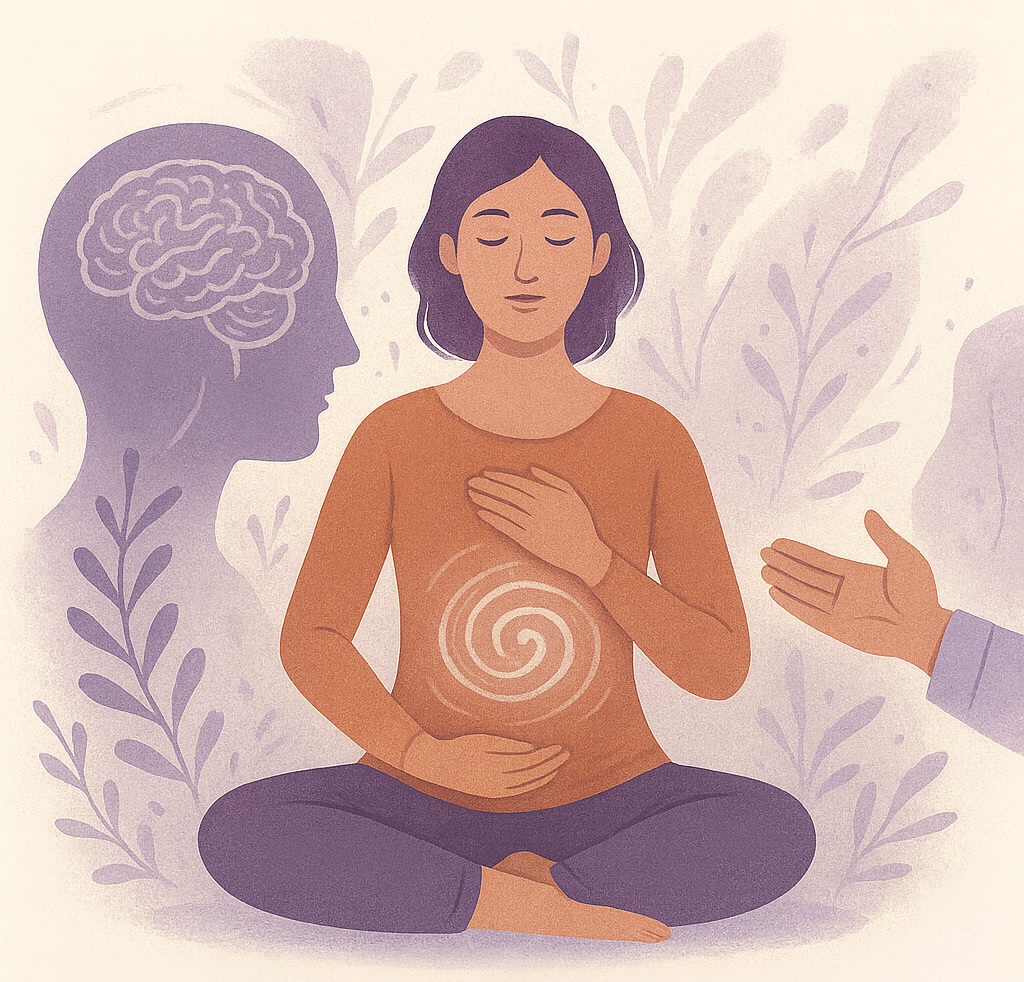
Imagine stepping into a therapy session where the focus isn’t just on your thoughts but also on the way your body holds your story—tension in your shoulders, a knot in your stomach, or a spark of energy waiting to be unleashed. This is the essence of integrative and somatic psychotherapy, a dynamic approach that blends mind and body to foster deep, lasting healing. So, what does it mean to be an integrative and somatic psychotherapist? Let’s dive into this transformative profession and
explore how it helps people reconnect with themselves.
What Is Integrative and Somatic Psychotherapy?
Integrative psychotherapy is like a master chef crafting a dish tailored to each client’s tastes. It draws from a rich menu of therapeutic approaches—think cognitive-behavioral therapy (CBT) for reshaping thought patterns, psychodynamic therapy for uncovering past influences, or humanistic methods to nurture self-worth. This flexibility allows therapists to adapt to each client’s unique emotional, psychological, and cultural needs, creating a personalized path to healing.
Somatic psychotherapy zooms in on the body’s role in mental health. It’s built on the idea that emotions, stress, and trauma don’t just live in the mind—they’re stored in the body, too, showing up as tightness, fatigue, or even chronic pain. By using techniques like breathwork, mindful movement, or guided awareness of physical sensations, somatic therapists help clients release these stored experiences and find balance.
An integrative and somatic psychotherapist combines these approaches, weaving talk therapy with body-centered practices to address the whole person—mind, body, and spirit.
Core Principles of the Practice
Integrative and somatic psychotherapy is grounded in a few key ideas that shape its impact:
1. Holistic Healing: This approach sees the mind and body as inseparable. A client struggling with anxiety might explore racing thoughts but also notice how their chest tightens, using both to guide the healing process.
2. Tailored Care: No two clients are the same. Therapists customize their methods, blending techniques to match each person’s goals, personality, and cultural background.
3. Body as Teacher: The body holds clues to our emotional world. A therapist might guide a client to notice a clenched jaw or shallow breathing, helping them uncover and process underlying feelings.
4. Trauma-Sensitive Approach: Trauma often lingers in the body, manifesting as physical or emotional discomfort. Therapists use gentle techniques like grounding or slow processing to help clients safely release these burdens.
5. Dynamic Toolkit: From mindfulness to movement to traditional talk therapy, therapists draw on a wide range of tools, adapting to what resonates most with the client.
What Does the Work Look Like?
Integrative and somatic psychotherapists wear many hats, blending science and intuition to guide clients toward healing:
– Creating Safety: The foundation of this work is a trusting, nonjudgmental space where clients feel free to explore their inner world.
– Bridging Mind and Body: Therapists might ask, “Where do you feel that emotion in your body?” to help clients connect physical sensations with their feelings, fostering deeper self-awareness.
– Blending Techniques: A session could involve CBT to challenge negative beliefs, somatic exercises to release stored tension, or mindfulness to anchor clients in the present.
– Regulating the Nervous System: Techniques like breathwork or gentle movement help clients shift from stress responses (fight, flight, or freeze) to a state of calm and balance.
– Empowering Growth: The goal isn’t to “fix” clients but to help them discover their own resilience, tapping into their inner resources to navigate life’s challenges.
The Impact on Clients
This approach can be a game-changer. Clients often experience:
– Emotional Freedom: Processing emotions through both mind and body builds resilience and reduces overwhelm.
– Physical Relief: Releasing stored tension can ease chronic pain or discomfort tied to stress or trauma.
– Deeper Self-Awareness: Tuning into the body helps clients understand their triggers and needs more clearly.
– Trauma Recovery: Gentle, body-based techniques can reduce symptoms like anxiety or dissociation, helping clients feel safer in their own skin.
– Stronger Mind-Body Connection: Clients often leave therapy feeling more grounded, present, and alive.
Why This Work Matters
Integrative and somatic psychotherapy offers a powerful path to healing in a world that often feels fragmented. It’s about helping people reconnect with their bodies, process their experiences, and step into their lives with greater ease and vitality. Whether it’s easing the weight of trauma, calming anxiety, or fostering a sense of aliveness, this approach reminds us that healing is a journey of both mind and body—one that can lead to profound transformation.