
Ever wondered why a good laugh, a heartfelt hug, or a quiet moment of gratitude can feel like a shot of pure joy? It’s not magic—it’s your brain, the ultimate happiness machine, firing on all cylinders. The neurobiology of well-being is like a backstage pass to understanding how your brain crafts those moments of bliss, resilience, and purpose.
Buckle up as we dive into the electrifying world of neurons, neurotransmitters, and practical hacks to supercharge your well-being.
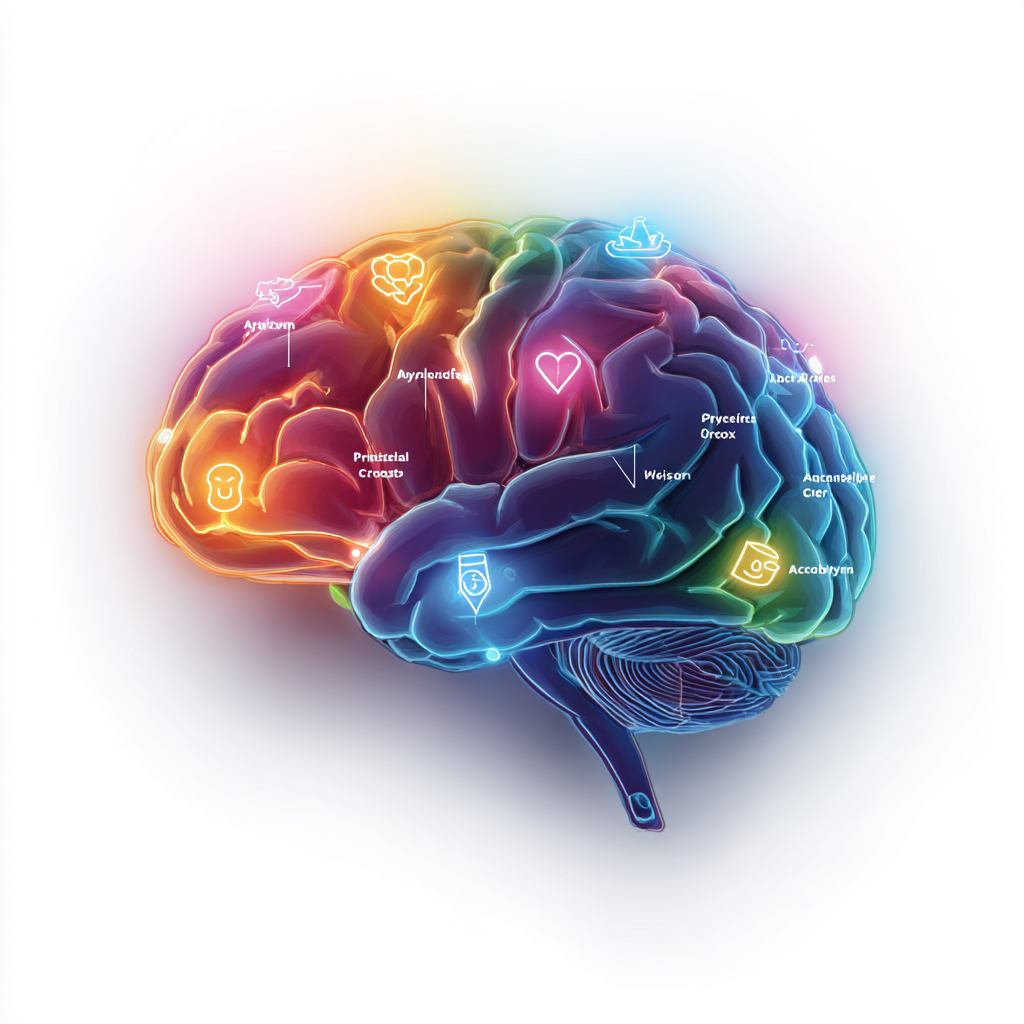
Your Brain’s Happiness: HeadquartersThink of your brain as a bustling control center, with specific regions and chemicals teaming up to create that warm, fuzzy feeling of well-being. Here’s the VIP lineup:
- The Brain’s A-List Players
- Prefrontal Cortex (PFC): This is your brain’s CEO, especially the ventromedial PFC, calling the shots on emotions and big-picture goals. It’s the part that helps you shrug off a bad day or savor a sunset. A rockstar PFC means better emotional control and a brighter outlook.
- Amygdala: Not just the panic button for fear, this almond-shaped nugget also lights up for joy and love. When it’s in sync with the PFC, you’re emotionally bulletproof.
- Hippocampus: Your brain’s memory maestro, the hippocampus weaves your experiences into a story that gives life meaning. A healthy hippocampus is like a scrapbook of your happiest moments.
- Nucleus Accumbens: This is your brain’s party zone, buzzing with excitement when you score a goal, bite into pizza, or nail a work project. It’s the dopamine-fueled epicenter of pleasure.
- The Chemical Rockstars:
- Dopamine: The “chase-the-thrill” chemical, dopamine is what gets you out of bed for that morning run or keeps you hooked on a great book. It’s your brain’s high-five for chasing rewards.
- Serotonin: This chill vibe generator keeps your mood steady and your heart content. Low serotonin? Hello, gloom. Balanced serotonin? Hello, inner peace.
- Oxytocin: The “cuddle hormone” that floods your system during a warm hug or a deep chat with a friend. It’s the glue of human connection.
- Endorphins: Your body’s natural painkillers, these bad boys surge during a belly laugh, a sweaty workout, or even a spicy meal, delivering pure euphoria.
Happiness: More Than Just Good Vibes.
Well-being isn’t just about chasing fleeting pleasures (hedonia) like binge-watching your favorite show. It’s also about the deeper, soul-filling stuff—finding purpose and meaning (eudaimonia). Your brain handles both like a pro:
- Hedonic Highs: The nucleus accumbens and dopamine team up for instant gratification—think of that dopamine rush from a viral TikTok or a perfect latte. But lean too hard into this, and you might crash, like chasing sugar highs.
- Eudaimonic Depth: The PFC and hippocampus step in here, weaving your life’s moments into a meaningful narrative. Ever felt fulfilled after helping a friend or crushing a personal goal? That’s eudaimonia at work.
Rewire Your Brain for Joy. Here’s the mind-blowing part:
:Your brain is a shape-shifter, thanks to neuroplasticity. Every thought, habit, or action can rewire your neural circuits, meaning you can literally train your brain to be happier. Here’s how:
- Mindfulness Magic: Meditation isn’t just for yogis. Just 10 minutes a day can beef up your PFC, calm your amygdala, and make you a zen master of your emotions. Research shows it even boosts gray matter in happiness hubs.
- Move Your Body: Exercise is like a happiness smoothie, blending dopamine, serotonin, and endorphins. A quick jog or dance session can spark joy and grow new neurons in your hippocampus.
- Connect, Connect, Connect: Humans are social creatures, and oxytocin is proof. A coffee date, a group laugh, or even petting your dog can flood your brain with feel-good vibes and strengthen social circuits.
The Stress Saboteur :
Chronic stress is the ultimate party pooper, throwing your brain’s happiness machine into chaos. The hypothalamic-pituitary-adrenal (HPA) axis pumps out cortisol when stress hits, and too much cortisol can shrink your hippocampus, fog up your PFC, and make your amygdala overly jumpy. The result? Anxiety, irritability, and a serious well-being slump.But you can fight back! Activate your parasympathetic nervous system—the “chill mode”—with deep breathing, yoga, or a walk in nature. These hacks dial down cortisol and let your brain’s happiness circuits. Ready to hack your brain for maximum well-being? Try these science-backed moves:
- Gratitude Glow-Up: Jot down three things you’re thankful for daily. It’s like a serotonin shot that strengthens your PFC.
- Sweat for Joy: Get moving—dance, run, or do jumping jacks. Your brain will thank you with a flood of endorphins.
- Hug It Out: Spend quality time with loved ones to boost oxytocin and build emotional resilience.
- Meditate Like a Boss: A quick mindfulness session can rewire your brain for calm and focus.
- Chase Meaning: Volunteer, learn a new skill, or pursue a passion project to fire up those eudaimonic circuits.
What’s Next for Happiness Science?
The future is bright for well-being research. Scientists are exploring psychedelics to reset neural networks for mental health, while wearable tech and AI tools are being developed to track and optimize your brain’s happiness in real time. For now, though, the most powerful tools are already in your hands—simple, accessible habits that light up your brain’s joy centers.
Your Brain, Your Happiness:
The neurobiology of well-being shows that happiness isn’t a random gift—it’s a skill you can build. Your brain’s regions and chemicals are like a symphony, and with a little practice, you can be the conductor. So, go for that walk, call a friend, or savor a quiet moment of gratitude. Your brain is ready to make every day a little brighter.